

Fitness Equipment: The Complete Buying Guide
Choosing the right fitness equipment is one of the most important decisions when opening a gym, expanding an existing facility, or upgrading an outdated training area. The equipment you purchase affects your members’ training experience, how efficiently your space is used, and how your business manages its investment over time.
However, buying gym equipment involves more than selecting machines that look good or fit your budget. You need to consider your target audience, training goals, available floor space, equipment functionality, durability, and the level of support available from your supplier.
Whether you are building a commercial gym, a bodybuilding facility, a sports performance center, or a private training studio, understanding the different equipment options will help you make more informed purchasing decisions.
This guide explains how to evaluate fitness equipment, compare strength-training options, plan your facility, and identify the right products for your needs.
1. Understand the Different Types of Fitness Equipment
Before comparing individual machines, determine which equipment categories your facility needs. A balanced selection can support different training styles while helping you make better use of your available space.
Strength Training Equipment
Strength equipment includes machines, benches, racks, and other products designed to support resistance training. Depending on the equipment selected, users can train specific muscle groups or perform compound movements that involve several muscle groups simultaneously.
Commercial facilities may need equipment for the chest, back, shoulders, arms, legs, and core. Your exact selection should reflect your members’ training habits and the services your facility provides.
Explore BOLT's strength equipment collection to compare machines and other strength-training options.
Plate-Loaded Equipment
Plate-loaded machines use weight plates to provide resistance. They can be useful for facilities that want to offer machine-based strength training alongside free weights and other resistance equipment.
When comparing plate-loaded equipment, consider the machine’s intended movement, adjustability, available loading capacity, footprint, and ease of use. These factors help determine whether a machine fits your facility’s training requirements.
BOLT offers a range of plate-loaded strength equipment for different training applications.
Selectorized Machines
Selectorized machines typically use a weight stack and a pin to select resistance. They can offer convenient weight adjustments and make it easier for members to move between exercises.
These machines may be particularly useful in facilities serving members with different training backgrounds. When evaluating them, consider the exercise selection, adjustment mechanisms, maintenance requirements, and how each machine complements your other equipment.
Free Weights, Benches, and Racks
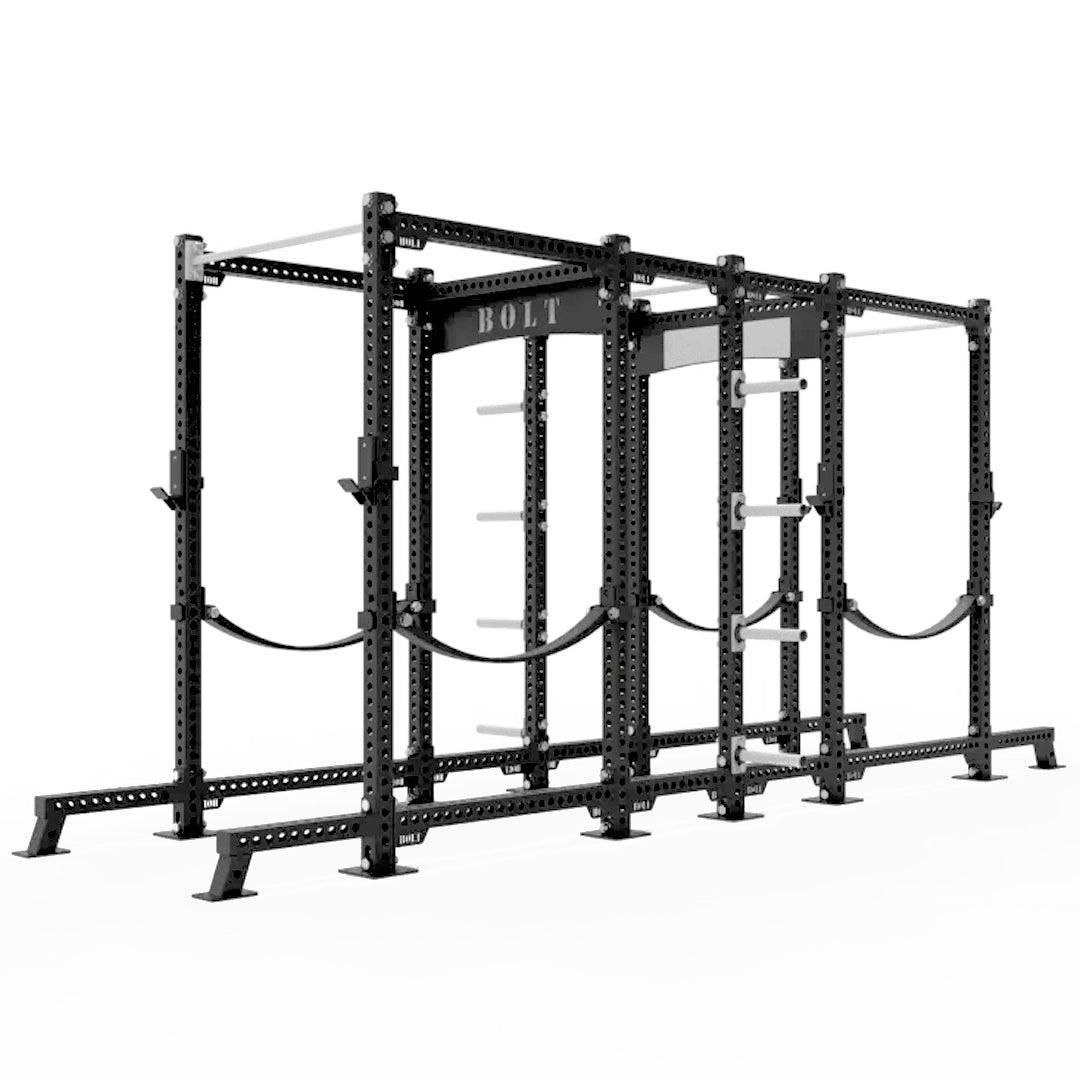
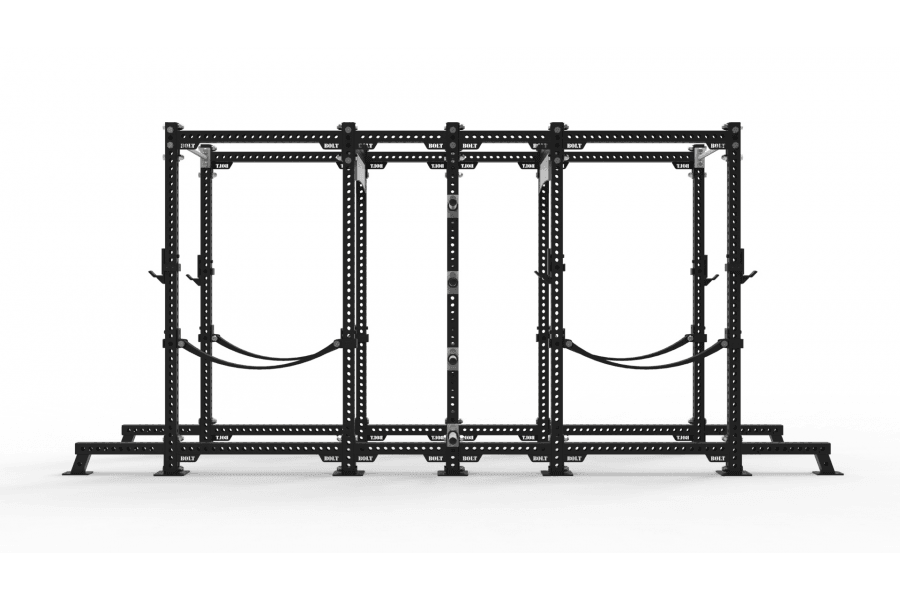
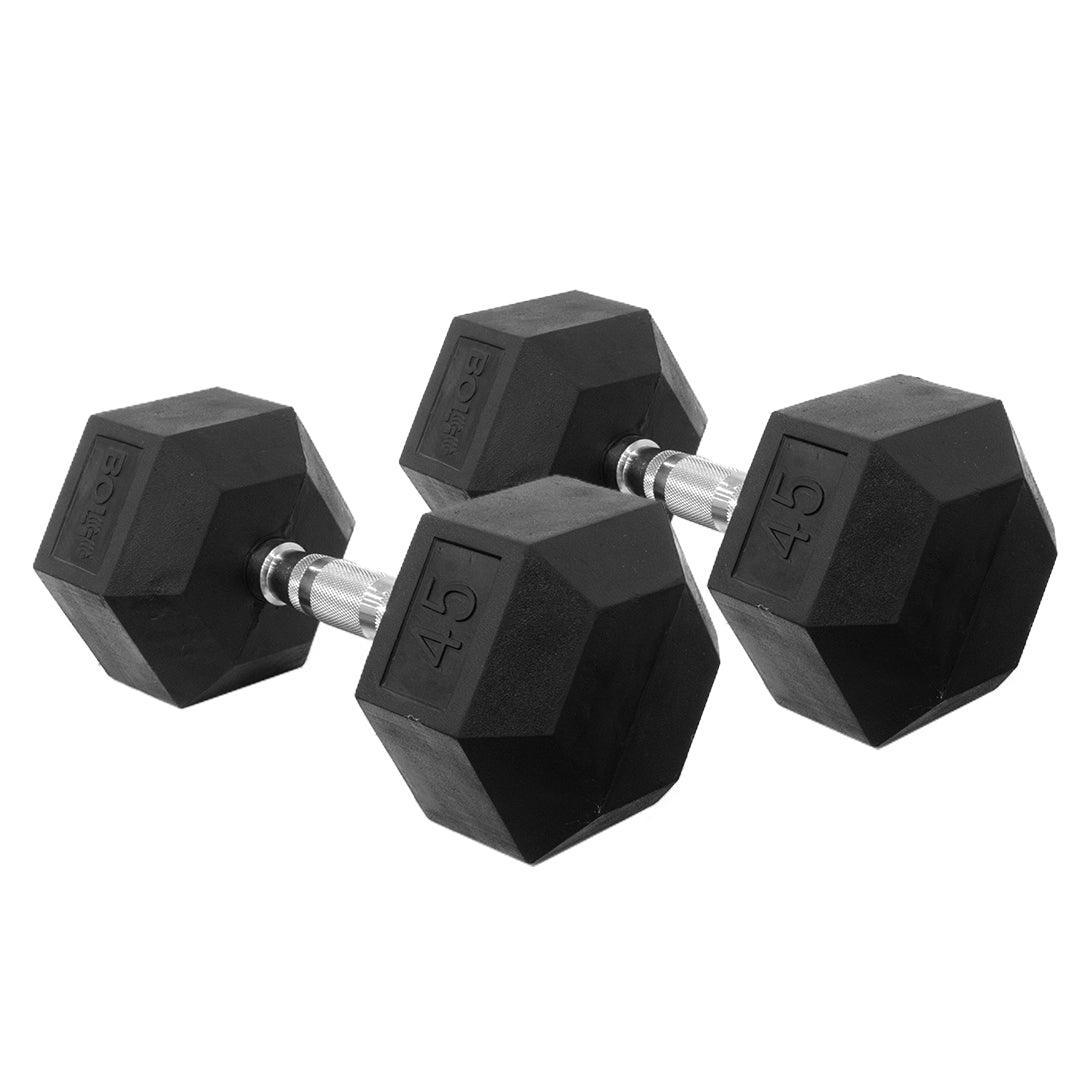
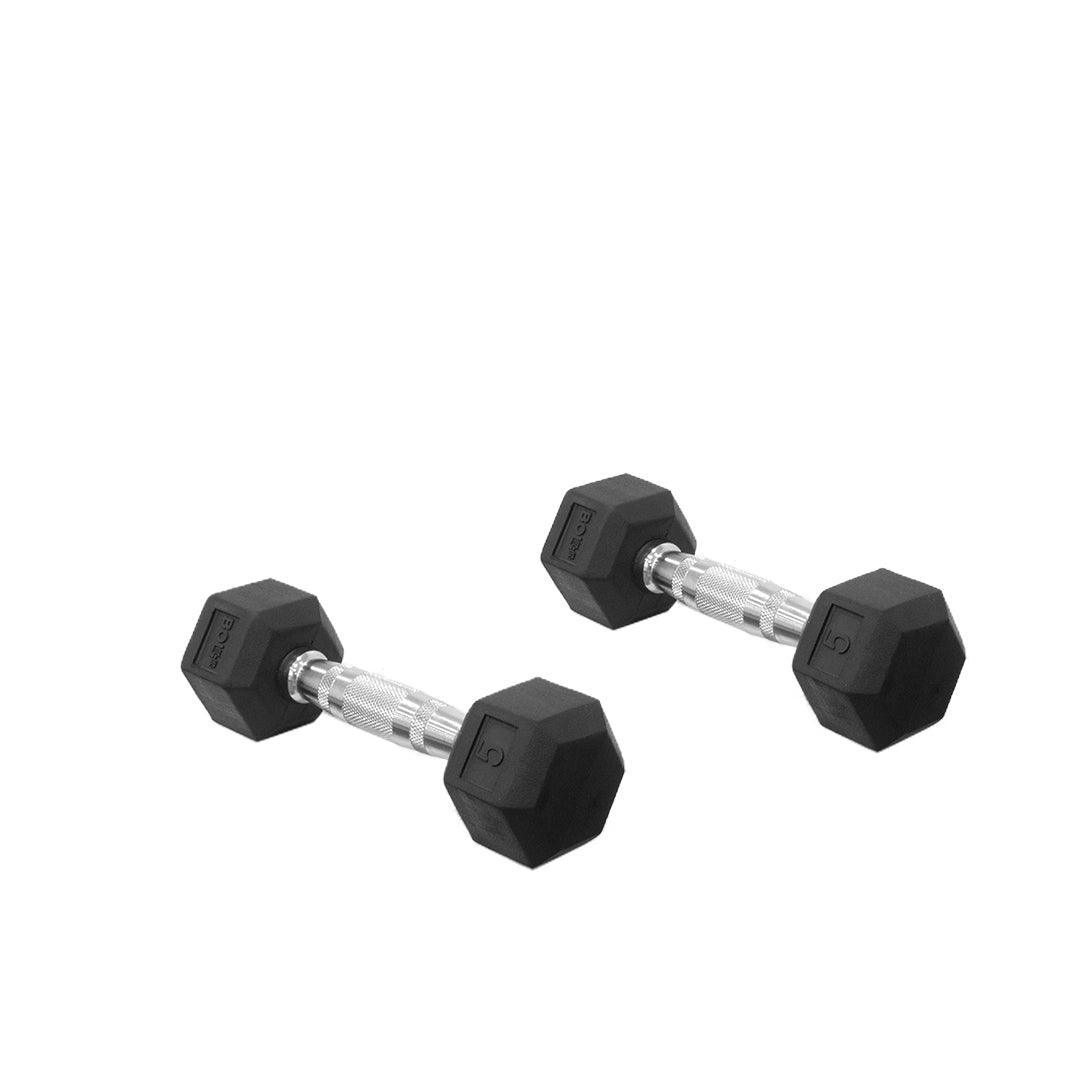
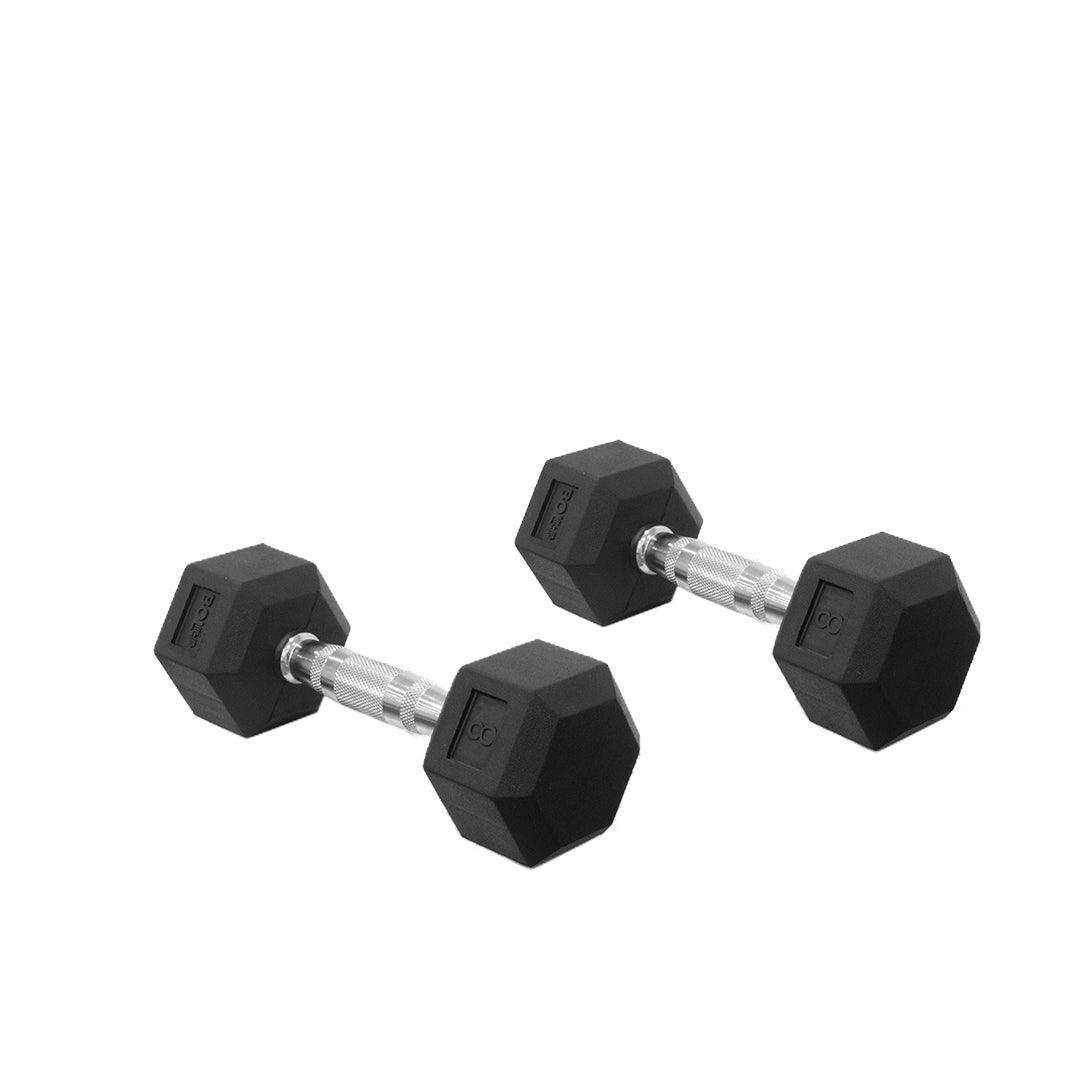
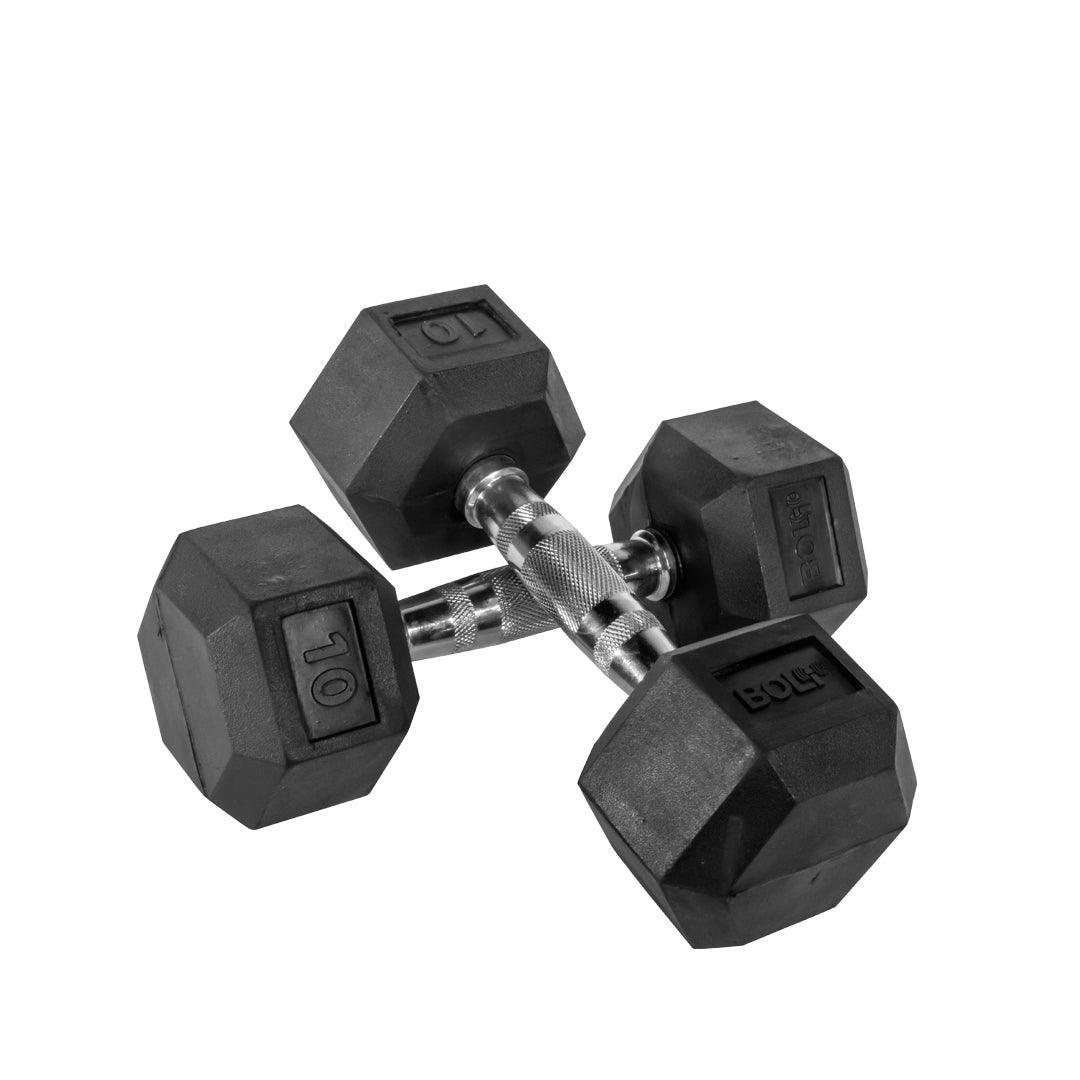
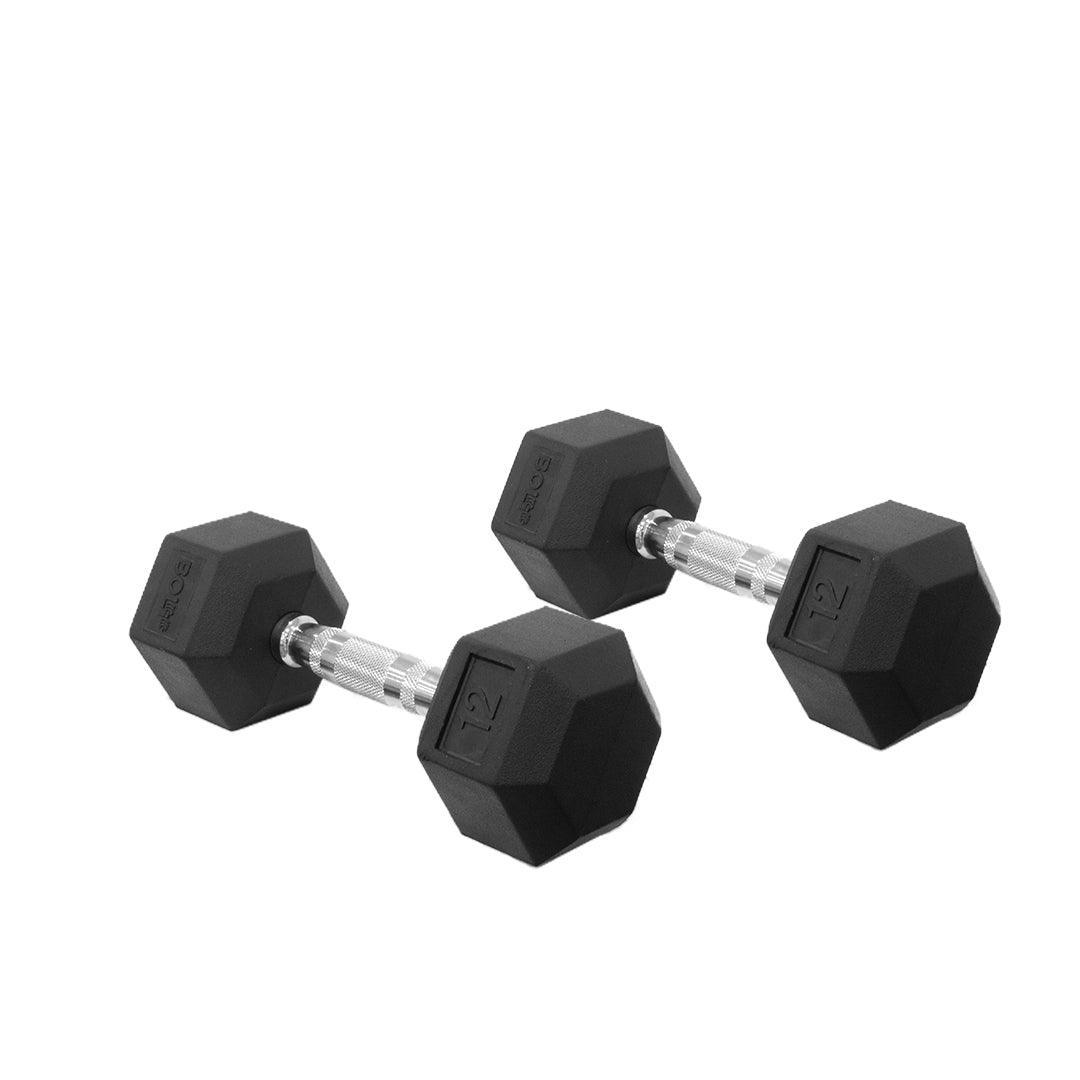
Dumbbells, weight plates, benches, and racks support a wide range of strength exercises. They can also provide flexibility when members need to perform different movements in the same training area.
Explore BOLT's free-weight equipment to evaluate options for your facility. You can also review the available commercial benches when planning your strength-training setup.
Functional Training Equipment
Functional training equipment can support varied exercise routines, accessory movements, and cable-based training. Depending on your programming, this category may include functional trainers, cable attachments, and multi-purpose equipment.
Review the available options in BOLT's strength equipment collection to identify products that complement your planned training programs.
2. Choose Equipment Based on Your Facility and Members

Not every gym needs the same equipment mix. The right purchasing decisions depend on who uses your facility, what they expect from it, and how you intend to position your business.
Commercial Gyms
Commercial gyms typically need a broad selection of equipment to accommodate members with different experience levels and training goals.
Priorities may include strength machines, benches, racks, free weights, and equipment for commonly trained muscle groups. You should also consider how many members may need to use the same category of equipment during busy periods.
Explore BOLT's commercial gym equipment options when planning a new facility or expanding an existing one.
Bodybuilding Facilities
Bodybuilding-focused facilities may prioritize a wide selection of resistance-training equipment, including machines designed to target specific muscle groups.
When building this type of equipment lineup, consider the variety of available movements, adjustment options, and how each machine complements the rest of your strength-training selection.
BOLT's strength equipment collection provides a starting point for comparing products across different muscle groups and training applications.
Sports Performance Facilities
Sports performance facilities need equipment that supports their coaching methods, athlete population, and training objectives.
Depending on the program, purchasing priorities may include racks, benches, free weights, and selected strength machines. The best combination depends on the exercises athletes perform and how coaches organize their sessions.
Before purchasing, map your planned training activities to the equipment needed to support them.
Personal Training Studios

Personal training studios often operate within a more limited footprint than large commercial gyms. Equipment versatility and efficient space utilization can therefore be important considerations.
Evaluate which products can support your clients’ programs without unnecessarily duplicating equipment. Review the available strength equipment and free-weight options to develop a selection that fits your services and space.
3. What Makes Commercial Fitness Equipment Different?
When purchasing equipment for a business, consider how frequently it will be used and how well it fits your operating requirements.
Construction and Durability
Commercial facilities should evaluate equipment construction, frame design, upholstery, adjustment mechanisms, and other components relevant to the intended application.
Do not assume that every machine marketed as commercial equipment offers the same specifications. Review the product information and ask the supplier to clarify any technical details that are important to your purchase.
Start by browsing BOLT's commercial fitness equipment selection and comparing the products relevant to your facility.
Ergonomics and Adjustability
Equipment should allow users to position themselves appropriately for the intended exercise. Depending on the machine, relevant considerations may include seat adjustments, starting positions, handle placement, and the range of available settings.
These features can affect how easily different users can operate a machine. Whenever possible, review product photographs, specifications, and demonstrations before deciding which models to purchase.
Maintenance and Replacement Parts
Maintenance requirements are another important consideration. Ask suppliers what routine maintenance is recommended, how replacement parts are obtained, and what support is available if a machine requires service.
The answers can help you evaluate the operational requirements associated with different equipment options.
Warranty and Customer Support
Before placing an order, request the applicable warranty terms and review what is covered, how claims are handled, and whether exclusions or maintenance requirements apply.
Warranty coverage can vary by product and component, so confirm the terms for the specific equipment you intend to purchase rather than relying on general assumptions.
4. Plan Your Gym Equipment Layout Before Buying
Even well-selected fitness equipment can create operational problems if it does not fit the facility layout.
Before ordering, measure your available floor space and review the dimensions of each machine. Account for the space required to access, adjust, and use equipment safely, following the manufacturer's instructions and applicable requirements.
Organize Equipment Into Training Zones
A useful starting point is to divide your facility into areas based on the activities members perform. For example, you may plan separate areas for machine-based strength training, free weights, racks, and functional training.
The appropriate layout will depend on your facility size, training programs, and equipment selection.
Browse BOLT's strength equipment catalog to identify the types of machines you may want to include in each area.
Verify Equipment Dimensions
Never assume that two machines in the same category have identical dimensions. Their footprints and clearance requirements can differ significantly.
Before finalizing your purchase, confirm the dimensions of each selected product and consider its position relative to walls, walkways, other machines, and access points.
You can begin your research through the BOLT product catalog, then verify the details for each individual product.
Avoid Overcrowding
Fitting more machines into a facility does not necessarily create a better training experience. A layout that leaves insufficient room for movement or access can make the space less practical.
Prioritize the equipment that best supports your members and business model. Then determine how much space remains for additional machines and future expansion.
5. How Much Should You Spend on Fitness Equipment?

There is no single budget that works for every gym. Your investment will depend on the equipment categories you select, the number of units you need, your facility size, and your business objectives.
Instead of comparing equipment using purchase price alone, calculate the total cost of acquiring and operating it.
Consider these factors:
- Equipment purchase price: The cost of each machine, bench, rack, or accessory.
- Quantity: The number of units needed to support your expected membership and training programs.
- Shipping and delivery: Confirm the applicable delivery terms and any additional charges before ordering.
- Installation: Determine whether assembly or installation is required and whether the supplier offers those services.
- Maintenance: Review the recommended maintenance procedures and potential replacement-part requirements.
- Future expansion: Consider whether the initial purchase supports your long-term facility plans.
For a broader view of the available options, explore BOLT's commercial gym equipment collection and full product catalog.
Compare Equipment Based on Value
The lowest-priced machine is not automatically the best choice, and a higher price does not guarantee that a product is right for your facility.
Compare products based on their intended use, specifications, available adjustments, footprint, and relevance to your members’ needs. This approach helps you identify equipment that supports your business goals instead of making decisions based on price alone.
6. Common Mistakes When Buying Gym Equipment
A few purchasing mistakes can make it harder to build an effective and practical facility.
Buying Equipment Before Defining Your Needs
Start with your target audience, training services, and available space. Without these requirements, it is easy to purchase machines that duplicate existing capabilities or do not fit your programming.
Ignoring Product Specifications
Product names and photographs do not tell you everything you need to know. Confirm dimensions, adjustment options, resistance type, and other relevant specifications before placing an order.
Overlooking Space Requirements
Measure your facility and review equipment dimensions before committing to a purchase. Consider how members will access and use each machine, not just whether it physically fits on the floor.
Focusing Only on the Initial Price
Compare the full purchase and operating requirements, including applicable delivery, installation, and maintenance costs.
Failing to Ask About Support
Before buying, understand the supplier's warranty process, maintenance guidance, and approach to replacement parts or service requests.
Purchasing Without Comparing Alternatives
Compare products that serve similar purposes. A broader review can help you identify the right combination of functionality, footprint, and cost for your facility.
To explore different equipment types, browse BOLT's strength equipment collection, plate-loaded equipment, and free weights.
7. How to Choose the Right Fitness Equipment Supplier
The supplier you choose can affect the purchasing process, the quality of the information available to you, and your ability to resolve questions after ordering.
Before committing to a supplier, consider the following questions.
Does the Supplier Offer the Equipment Categories Your Facility Needs?
Look for a supplier whose catalog aligns with your training programs and facility requirements. Depending on your plans, you may need strength machines, plate-loaded equipment, free weights, benches, racks, or functional training products.
Start by reviewing BOLT's strength equipment collection and commercial gym equipment selection.
Are Product Specifications and Dimensions Available?
You should be able to review the information necessary to evaluate whether a product fits your intended application and physical space.
Visit the BOLT product catalog to explore the range of equipment, then check the individual product pages for the specifications relevant to your purchase.
Can You Compare Multiple Equipment Options?
Comparing alternatives helps you determine which products best match your budget, training goals, and space requirements.
For example, you can review different options in the plate-loaded equipment collection alongside the broader strength equipment selection.
What Delivery and Installation Services Are Available?
Ask about delivery coverage, estimated timelines, unloading requirements, and whether installation or assembly is included or available separately. Confirm these details for your location and order before making a purchasing decision.
What Are the Warranty Terms and Support Procedures?
Request the applicable warranty documentation and ask how to obtain assistance if a product needs maintenance or replacement parts. Confirm the terms for the specific products you plan to purchase.
Can the Supplier Assist With Larger Commercial Equipment Orders?
If you are opening a gym or outfitting multiple training areas, you may need to coordinate several equipment categories and delivery requirements.
Review the BOLT catalog and equipment showcase to identify products relevant to your project. Contact the supplier directly to discuss your equipment requirements and confirm what purchasing and delivery support is available.
Choosing the right supplier means looking beyond the initial purchase price. Consider the range of equipment available, the clarity of product information, the services offered, and the support provided for your specific order.
8. Your Fitness Equipment Buying Checklist
Before finalizing an equipment purchase, use this checklist to make sure you have considered the key requirements.
- Define your facility type, target audience, and training goals.
- Identify the equipment categories your members need.
- Compare machines and alternatives within your budget.
- Review product specifications and dimensions.
- Measure your available floor space and plan equipment placement.
- Confirm delivery terms and any installation requirements.
- Review warranty coverage and maintenance recommendations.
- Ask about replacement parts and customer support.
- Calculate the total expected purchase cost.
- Confirm product availability and order details with the supplier.
You can use BOLT's strength equipment collection, plate-loaded equipment, free-weight selection, and product catalog as starting points for your research.
Final Thoughts
Choosing fitness equipment requires a clear understanding of your facility, your members, and your budget. By comparing equipment categories, reviewing specifications, planning your layout, and evaluating suppliers carefully, you can make purchasing decisions that support your business goals.
Whether you are opening a new commercial gym, expanding a bodybuilding facility, or developing a performance training space, prioritize equipment that fits your training requirements and available floor space.
Ready to explore your options? Visit BOLT Fitness Supply to browse strength-training products and find equipment for your next project.
Explore the strength equipment collection or review the BOLT product catalog to get started.
Featured collection
OUTLAW ADJUSTABLE LEG PRESS HACK SQUAT COMBO


OUTLAW ADJUSTABLE LEG PRESS HACK SQUAT COMBO
Price
$2,995
STORM SERIES HYDRA ADJUSTABLE LEG EXTENSION SEATED CURL COMBO


STORM SERIES HYDRA ADJUSTABLE LEG EXTENSION SEATED CURL COMBO
Price
$3,595
THUNDER SERIES APEX SMITH FUNCTIONAL POWER RACK ALL IN 1 COMBO


THUNDER SERIES APEX SMITH FUNCTIONAL POWER RACK ALL IN 1 COMBO
Price
$5,995


SERGEANT PLATE LOADED ADJUSTABLE 45 DEGREE T-ROW


SERGEANT PLATE LOADED ADJUSTABLE 45 DEGREE T-ROW
Price
$2,195
VALKYRIE MULTI-FUNCTION ADJUSTABLE LATERAL RAISE & PEC FLY COMBO
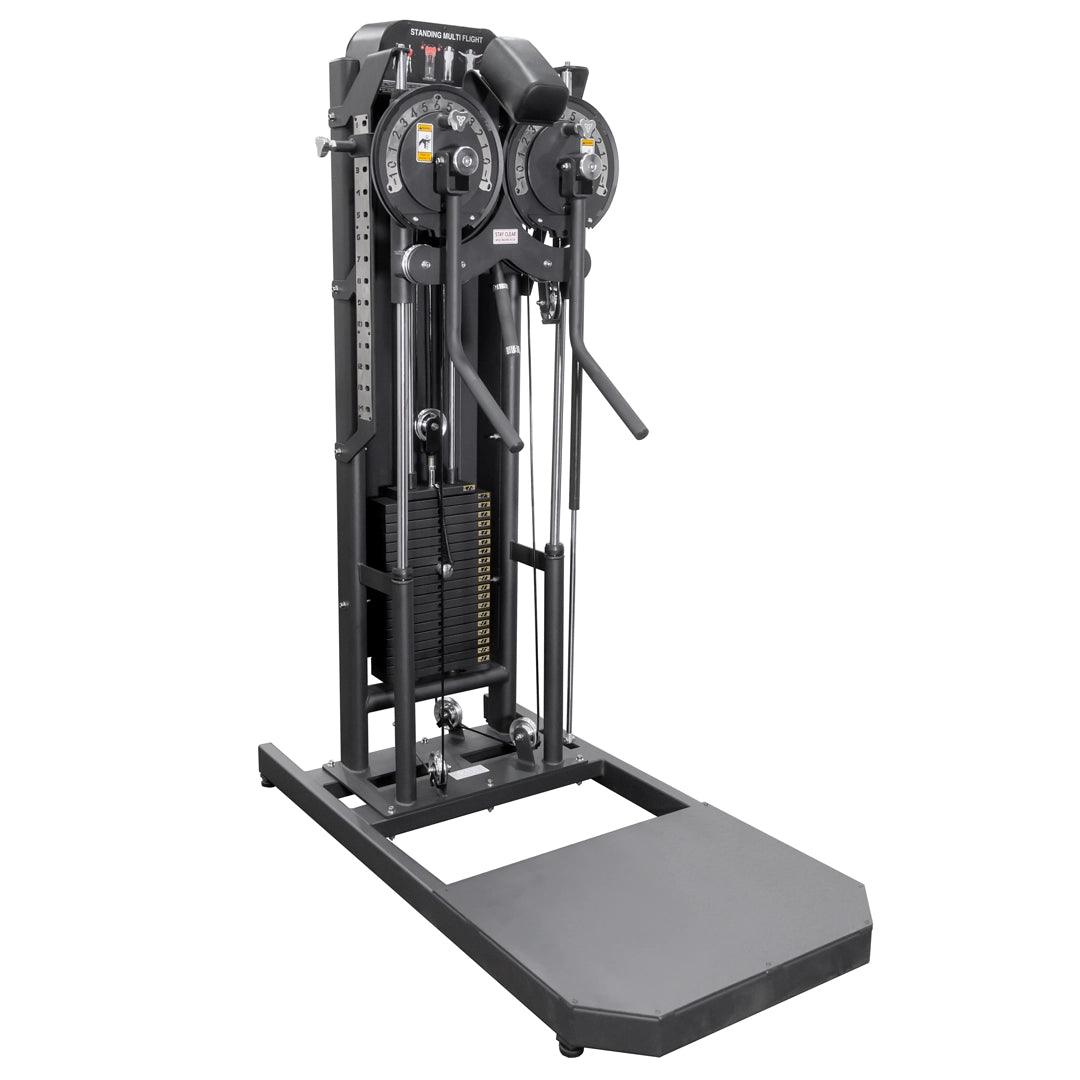


VALKYRIE MULTI-FUNCTION ADJUSTABLE LATERAL RAISE & PEC FLY COMBO
Price
$3,395
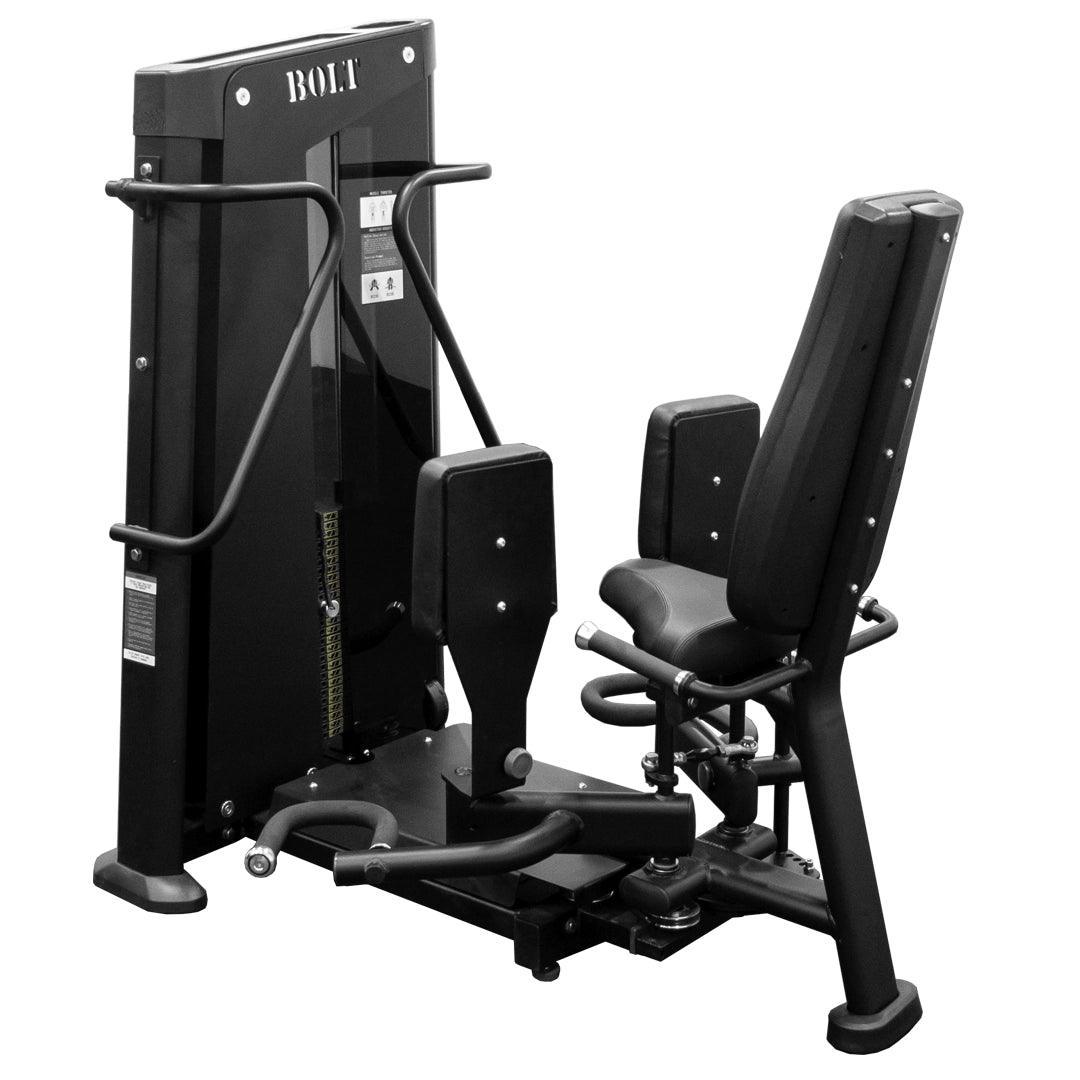
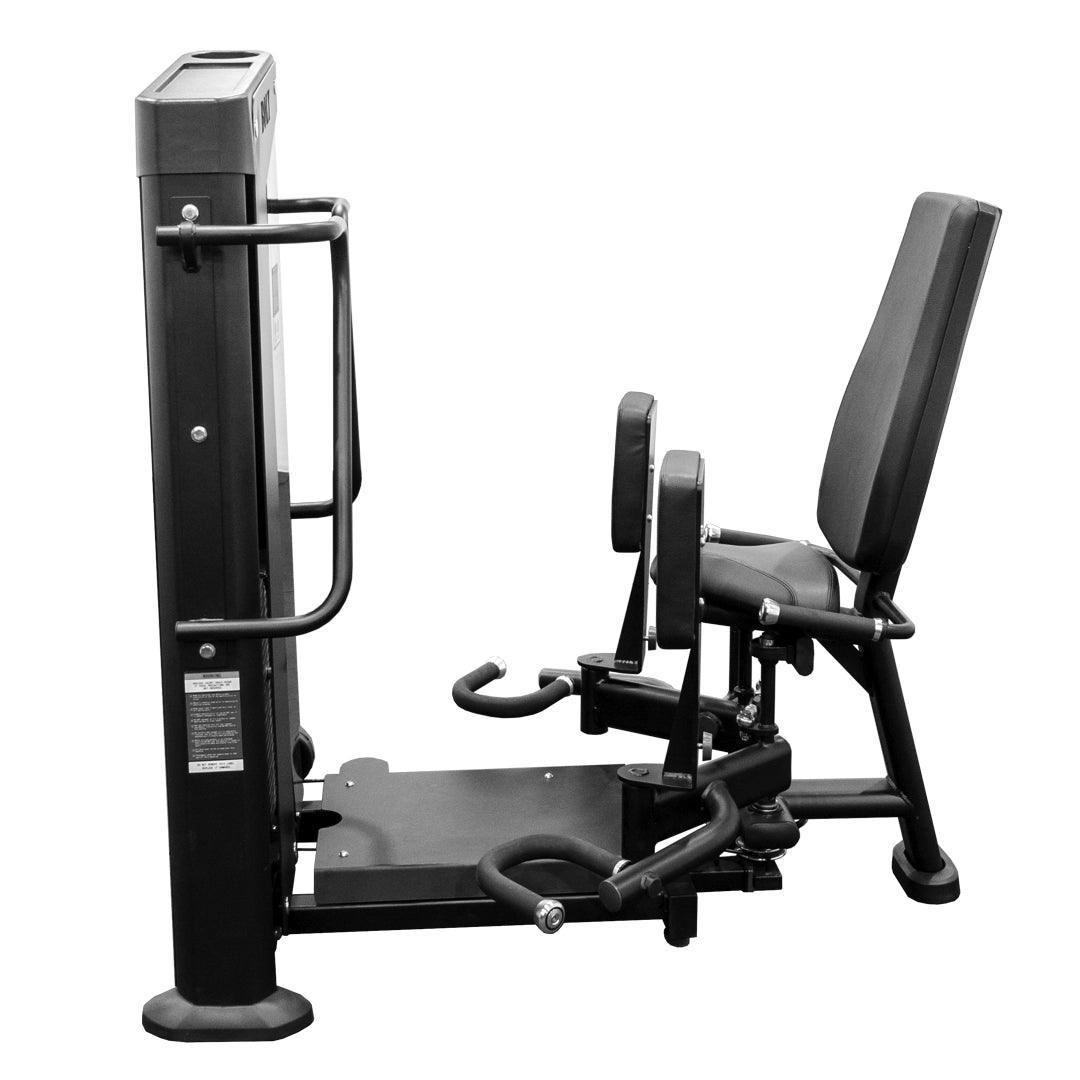
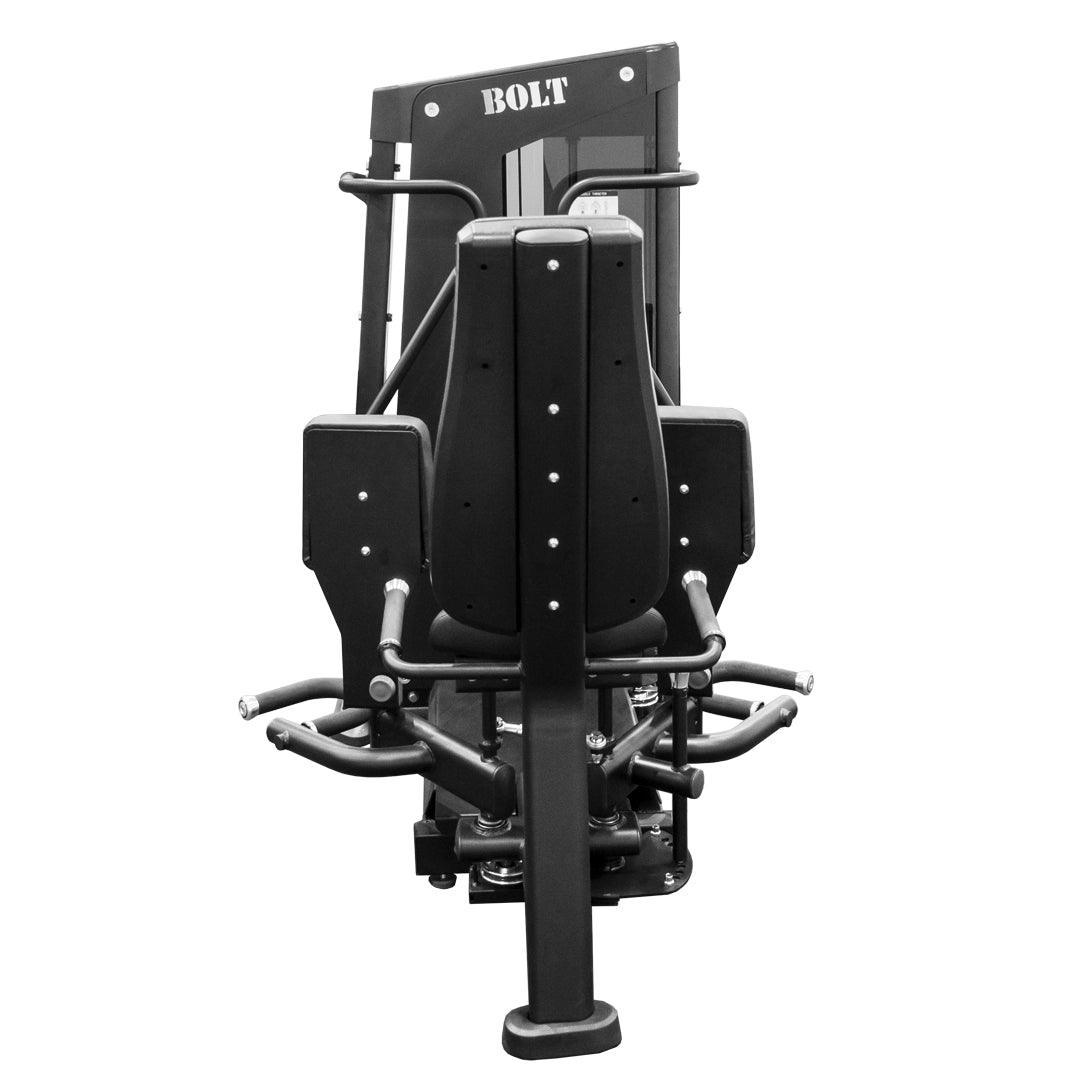
EMPEROR MONSTER COUNTERBALANCED SMITH MACHINE


EMPEROR MONSTER COUNTERBALANCED SMITH MACHINE
Price
$3,695
ORACLE MONSTER COUNTERBALANCED SMITH MACHINE HALF RACK COMBO


ORACLE MONSTER COUNTERBALANCED SMITH MACHINE HALF RACK COMBO
Price
$3,995


Storm Series HIGHLANDER Smith Machine Power Rack


Storm Series HIGHLANDER Smith Machine Power Rack
Price
$2,680





- Choosing a selection results in a full page refresh.
!